DIY Tools for Home Renovation: A Comprehensive Guide
This guide is for DIY enthusiasts seeking effective tools to enhance their home renovation skills and maximize their budget.
- First published:
- Last reviewed: Sep 26, 2026
- Written by: Laura Mitchell
- 20 minutes
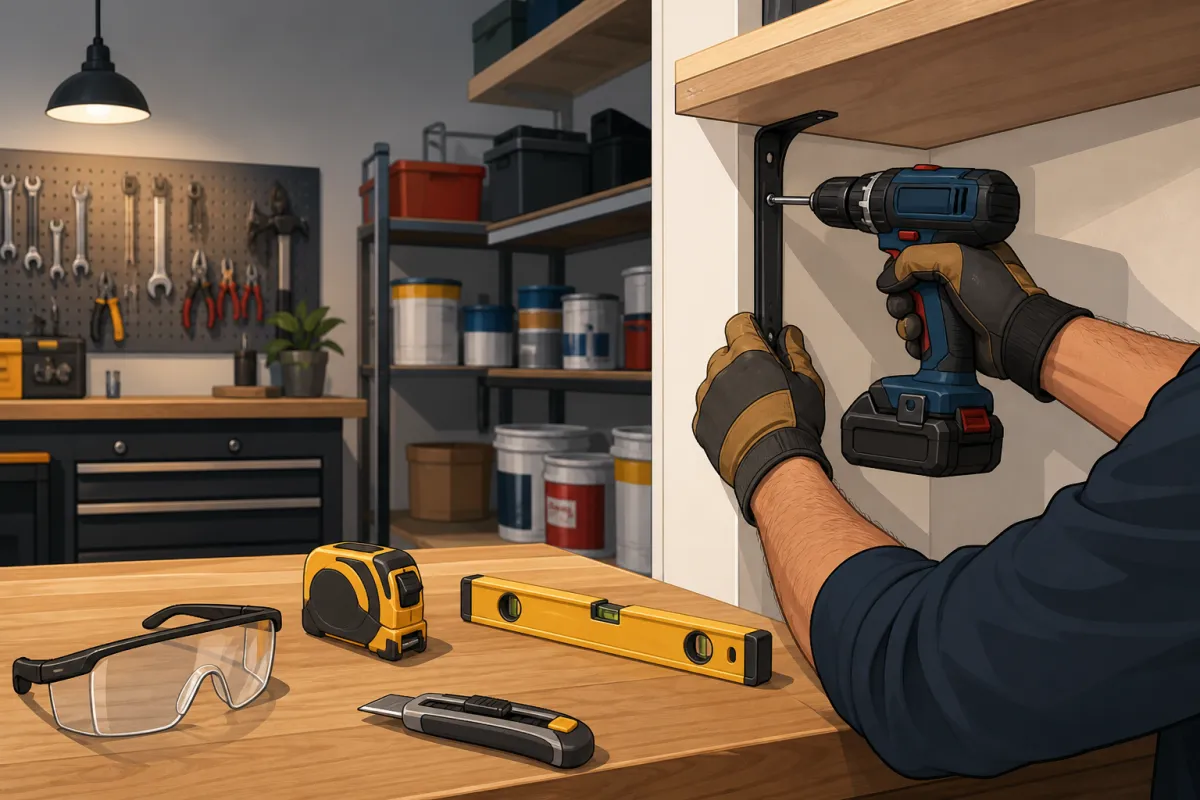
Essential Tools for Every DIY Project
A well-equipped toolkit is crucial for successful DIY projects. Here are the must-have tools to consider, along with average prices and purchasing options.
Measuring Tape
A measuring tape is essential for accurate measurements in any project. Look for one that extends at least 25 feet for versatility. Prices typically range from $10 to $25. Brands like Stanley offer reliable options available at home improvement stores or online.
Screwdriver Set
A quality screwdriver set should include various sizes and types, such as flathead and Phillips. Expect to spend between $15 and $30 for a basic set. Black & Decker and Craftsman are budget-friendly brands that can be found at retailers like Home Depot or Walmart.
Cordless Drill
The cordless drill/driver is one of the most versatile power tools, suitable for drilling holes and driving screws. Prices can range from $50 to $150 depending on brand and features. Consider purchasing from brands like DeWalt or Ryobi for affordable options.
Utility Knife
A utility knife is useful for cutting various materials, from cardboard to carpet. These typically cost between $5 and $20. You can find affordable options at local hardware stores or online retailers.
Level
A level ensures that your projects are straight and even. A simple 24-inch level usually costs between $10 and $30. Look for options from brands like Empire or Johnson Level, available at home improvement stores.
Safety Gear
Safety goggles and gloves are essential for protecting yourself while working. A good pair of safety goggles can cost around $10, while gloves typically range from $5 to $20. Brands like 3M and CLC offer cost-effective options at various retailers.
Additional Tools
Consider adding an adjustable wrench, circular saw, jigsaw, and a stud finder to your toolkit for more complex projects. Prices for these tools can vary widely, but budget options are available from brands like Black & Decker and Ryobi.
Maintaining your tools is key to their longevity. Regular cleaning and proper storage can extend their life significantly[1]. For a comprehensive checklist of essential tools, refer to reliable sources[2].
When purchasing tools, aim for a starter DIY tool kit, which typically costs between $135 and $225[3]. This investment will prepare you for a variety of tasks and projects.
Power Tools vs Hand Tools: What You Need
Understanding the differences between power tools and hand tools is essential for any DIY enthusiast. Each type has its advantages and disadvantages, which can influence your choice depending on the project at hand.
Power Tools
Power tools are electrically powered, allowing for greater efficiency and speed. A cordless drill/driver is one of the most versatile options, suitable for tasks ranging from drilling holes to driving screws, making it a must-have for DIY projects[4].
Advantages:
- Speed and Efficiency: Power tools complete tasks faster. For example, a circular saw can cut through wood much quicker than a hand saw.
- Precision: Many power tools incorporate features that enhance accuracy, such as laser guides and adjustable settings.
Disadvantages:
- Cost: Power tools can be more expensive, with a starter kit typically ranging from $135 to $225[3].
- Safety Risks: They require safety precautions, including safety goggles, gloves, and ear protection[5]. Additionally, using ground fault circuit interrupters (GFCIs) is recommended to prevent electric shocks[6].
Best Suited Projects: Power tools are ideal for larger projects, such as building furniture, framing walls, or flooring installation.
Hand Tools
Hand tools are manually operated and generally less expensive than power tools. A basic toolkit should include items like screwdrivers, hammers, and measuring tapes[7].
Advantages:
- Affordability: Hand tools typically cost less, making them budget-friendly options for beginners[8].
- Control: They offer greater control in detailed tasks, such as finishing work or intricate cuts.
Disadvantages:
- Time-Consuming: Projects can take longer to complete with hand tools, especially when cutting or fastening materials.
- Physical Demand: Using hand tools can be more physically demanding, which may lead to fatigue.
Best Suited Projects: Hand tools are perfect for smaller tasks, such as assembling furniture, hanging pictures, or making minor repairs.
Conclusion
Choosing between power tools and hand tools depends on the nature of your project, budget, and personal preference. For comprehensive DIY projects, a combination of both types will maximize efficiency and effectiveness. Always prioritize safety and consider maintaining your tools properly to ensure they last for years[1].
Budget-Friendly Tool Brands to Consider
For DIY enthusiasts looking to renovate on a budget, selecting the right tools is crucial. Fortunately, several brands offer reliable tools without high price tags. Here, we highlight a few budget-friendly brands and specific product recommendations.
Black & Decker
Black & Decker is well-known for its affordability and reliability in the DIY community. Their tools are designed for both novice and experienced users.
- Cordless Drill/Driver: The Black & Decker 20V MAX Cordless Drill typically retails for around $60. This versatile tool can handle various tasks from drilling to driving screws[4].
- Measuring Tape: Their measuring tape, usually priced between $10 and $15, is essential for accurate measurements in any renovation project[7].
Stanley
Stanley has long been a trusted name in hand tools, providing a range of options for budget-conscious DIYers.
- Screwdriver Set: A basic Stanley screwdriver set can be found for approximately $15 to $25. This set usually includes multiple sizes and types, perfect for various applications[7].
- Level: The Stanley 24-inch level is another reliable tool, typically costing around $20. It ensures your installations are straight and level[7].
Ryobi
Ryobi is recognized for its innovative power tools that cater to DIYers at reasonable prices.
- Cordless Circular Saw: The Ryobi 18V Cordless Circular Saw is priced around $70, making it an excellent choice for cutting wood and other materials efficiently.
- Jigsaw: Their jigsaw, available for about $50, is ideal for intricate cuts and curves in wood or other materials.
Craftsman
Craftsman offers a range of tools that balance quality and affordability, making it a good choice for homeowners.
- Adjustable Wrench: Craftsman's adjustable wrench is typically priced around $15, providing versatility for various tasks.
- Utility Knife: Their utility knives, often available for $10, are perfect for cutting tasks across different materials[9].
Additional Recommendations
When selecting tools, consider the following brands for specific items:
- Safety Gear: 3M provides affordable safety goggles and gloves, typically ranging from $5 to $20[5].
- Tool Maintenance: Regular cleaning and proper storage are vital for extending the life of tools, regardless of the brand[1].
By focusing on these budget-friendly brands and their recommended products, DIY enthusiasts can equip themselves with reliable tools without overspending. For a comprehensive list of essential tools, refer to our detailed guide[2].
Safety Gear: Protecting Yourself While DIYing
Safety gear is a critical component of any DIY project. Proper protection helps prevent injuries and ensures a safer working environment. Essential safety items include safety goggles, gloves, and masks, which are necessary when operating power tools or working with hazardous materials.
Essential Safety Gear Checklist
Safety Goggles: Protect your eyes from flying debris and dust. A good pair typically costs around $10. Look for options that provide a secure fit and anti-fog features[5].
Safety Gloves: These protect your hands from cuts, abrasions, and chemical exposure. Prices range from $5 to $20, depending on the material and level of protection. Choose gloves that fit well and allow for dexterity while working[5].
Dust Masks or Respirators: When sanding, painting, or working with materials that generate dust, masks are crucial. Basic dust masks can be found for about $5, while N95 respirators offer more protection against fine particles and usually cost around $15[5].
Ear Protection: Using power tools can expose you to harmful noise levels. Earplugs or earmuffs, starting at around $10, can help protect your hearing during prolonged use[5].
Hard Hats: If you’re working on a project that involves overhead work or in areas where objects may fall, a hard hat is recommended. Basic models can cost around $20[5].
Knee Pads: For projects that require kneeling, knee pads provide comfort and protection. Prices typically range from $10 to $30, depending on the quality and padding[5].
Importance of Safety Gear
Neglecting safety precautions can lead to serious injuries that may halt your DIY projects and result in costly medical bills. Common DIY mistakes include failing to wear safety gear, which can lead to injuries from cuts, falls, or inhalation of harmful substances[9].
Using safety gear not only protects you but also creates a more efficient workflow. When you feel secure and protected, you can focus better on the task at hand, leading to higher-quality results.
Before starting any DIY project, ensure you have all necessary safety gear on hand. This preparation will help you work confidently and minimize risks while improving your overall DIY experience.
Where to Buy DIY Tools: Online vs In-Store
When deciding where to purchase DIY tools, both online and in-store options come with their own advantages and disadvantages. Understanding these can help you make an informed choice that aligns with your needs and budget.
Online Shopping
Pros:
- Convenience: You can shop from home at any time, which saves time and effort. Many online retailers offer extensive selections, making it easier to compare prices and products.
- Price Comparisons: Websites often allow you to quickly compare prices across different brands and models. This can lead to finding better deals and discounts.
- User Reviews: Online platforms provide access to customer reviews, helping you gauge the effectiveness and quality of tools before purchasing.
Cons:
- Shipping Costs: While many retailers offer free shipping, some may charge fees that can add to the overall cost. Additionally, shipping times may delay your project.
- No Hands-On Experience: You cannot physically inspect or test the tools before buying, which can lead to dissatisfaction if the product does not meet your expectations.
In-Store Shopping
Pros:
- Immediate Availability: You can take tools home immediately after purchase, which is beneficial for urgent projects.
- Hands-On Testing: Being able to hold and test tools can help you make more informed decisions regarding comfort and usability.
- Personal Assistance: Store staff can provide valuable insights and recommendations based on your specific needs.
Cons:
- Limited Selection: Physical stores may not carry the full range of products available online, potentially limiting your options.
- Higher Prices: In-store prices can sometimes be higher due to overhead costs, so you may miss out on online discounts.
Tips for Finding the Best Deals
- Compare Prices: Use price comparison websites or apps to check for the best deals across multiple retailers.
- Sign Up for Newsletters: Many retailers offer discounts or promotions to subscribers, so signing up can provide access to exclusive deals.
- Shop During Sales Events: Take advantage of major sales events like Black Friday or holiday sales to find significant discounts on tools.
- Look for Coupons: Search for online coupons or promotional codes that can further reduce costs on your purchases.
- Join Loyalty Programs: Some stores have loyalty programs that offer points or discounts on future purchases, which can save money in the long run.
By weighing the pros and cons of online versus in-store shopping and utilizing these tips, you can effectively find the best tools for your DIY projects without exceeding your budget.
Must-Have Accessories for Your DIY Toolkit
To maximize the efficiency of your DIY projects, having the right accessories is essential. These accessories not only complement your main tools but also enhance their functionality. Here’s a list of must-have accessories that every DIY enthusiast should consider adding to their toolkit.
Drill Bits
A variety of drill bits is crucial for a cordless drill. Standard bits, such as twist bits for wood and masonry bits for concrete, enable you to tackle different materials. A set typically costs between $15 and $30 and can significantly expand the versatility of your cordless drill[4].
Saw Blades
For projects requiring precise cuts, having a selection of saw blades for your circular saw or jigsaw is vital. Different blades serve various purposes, such as fine-toothed blades for smooth cuts and coarse blades for quick cuts. A good set of blades can range from $20 to $40, depending on the quality and type[4].
Paint Supplies
Whether you're refreshing a room or tackling a furniture project, paint supplies are indispensable. Essential items include brushes, rollers, and trays, which usually cost around $20 to $50 for a complete set. Quality paint supplies ensure a smooth application and a professional finish[4].
Safety Gear
Safety should always be a priority in any DIY project. Essential safety gear includes safety goggles, gloves, and masks. Investing in quality safety gear can cost between $20 and $50, but it protects against injuries and ensures a safer working environment[5].
Measuring Tools
Accurate measurements are critical to any successful renovation. In addition to a measuring tape, consider adding a stud finder and a laser level. These tools can help ensure that your installations are precise. A stud finder typically costs around $15 to $30, while a laser level can range from $30 to $60[7].
Utility Knife
A utility knife is an all-purpose tool that can handle various cutting tasks, from opening boxes to trimming materials. A quality utility knife can be purchased for about $10. This tool's versatility makes it a staple in any DIY toolkit[7].
Tool Maintenance Supplies
Maintaining your tools is essential for their longevity. Supplies such as cleaning cloths, lubricants, and storage solutions help keep your tools in good condition. A basic maintenance kit can be assembled for around $20, ensuring your tools last for years[1].
By incorporating these accessories into your DIY toolkit, you will be well-equipped to handle a variety of projects efficiently and effectively.
DIY Tool Maintenance: Keeping Your Tools in Top Shape
Proper maintenance of your tools can significantly extend their lifespan, ensuring they remain effective for your DIY projects. Here are some tips and a simple maintenance schedule to keep your tools in top shape.
General Maintenance Tips
Cleaning: After each use, clean your tools to remove dirt, dust, and debris. For hand tools, use a damp cloth and a mild detergent. Power tools should be cleaned according to the manufacturer's instructions. Regular cleaning prevents rust and maintains functionality[1].
Lubrication: Moving parts, such as saw blades and drill bits, should be lubricated periodically. Use appropriate lubricants based on the tool type, following manufacturer guidelines. This helps prevent wear and ensures smoother operation[1].
Storage: Store tools in a dry, organized space. Use toolboxes, pegboards, or shelves to keep them accessible and prevent damage. Avoid leaving tools outside or in damp areas, as moisture can lead to rust and deterioration[1].
Inspection: Regularly inspect tools for signs of wear or damage. Check for loose screws, frayed cords, or dull blades. Addressing these issues early can prevent further damage and ensure safety during use[1].
Simple Maintenance Schedule
- Daily: Wipe down tools after each use to remove dust and debris.
- Weekly: Inspect tools for damage and lubricate moving parts as necessary.
- Monthly: Deep clean tools, including removing any rust and checking electrical components for wear.
- Annually: Conduct a thorough inspection of all tools. Replace any damaged or worn-out tools to maintain safety and efficiency.
By following these maintenance practices and schedule, you can enhance the longevity and performance of your DIY tools, ultimately saving you money and ensuring your projects run smoothly. For a more comprehensive understanding of essential tools, check our guide on Home Renovation on a Budget: Planning and Tools.
Common DIY Mistakes and How to Avoid Them
Many DIY enthusiasts fall into common traps that can lead to wasted time, effort, and money. Understanding these mistakes and how to avoid them can significantly enhance your renovation experience.
Inaccurate Measurements
One of the most frequent errors is failing to measure accurately. This can result in materials that are too short or too long, leading to costly mistakes. Always use a reliable measuring tape and double-check your measurements before cutting or purchasing materials. A good practice is to measure twice and cut once to avoid unnecessary waste[9].
Using the Wrong Tools
Another common mistake is not using the right tools for the job. For instance, attempting to drive screws with a standard screwdriver instead of a cordless drill can lead to stripped screws and damaged materials. A basic toolkit should include essential items like screwdrivers, a hammer, a measuring tape, and a cordless drill, which is the most versatile tool for various tasks[7][4]. Familiarize yourself with the specific tools required for your projects to ensure efficiency and accuracy.
Neglecting Safety Precautions
Ignoring safety gear can lead to serious injuries. Essential safety equipment includes safety goggles, gloves, and ear protection, especially when using power tools[5]. Make it a habit to wear appropriate safety gear to protect yourself from potential hazards. Additionally, using ground fault circuit interrupters (GFCIs) with power tools helps prevent electric shocks[6].
Poor Tool Maintenance
Many DIYers overlook the importance of maintaining their tools. A well-maintained tool can last for years, while neglect can lead to performance issues and safety hazards. Regular cleaning, proper storage, and periodic inspections are crucial for tool longevity[1]. Make a checklist for tool maintenance, ensuring you address these tasks routinely.
Skipping Planning
Finally, diving into a project without adequate planning can lead to chaos. Before starting any renovation, create a detailed plan that outlines the steps, materials needed, and estimated costs. This approach helps prevent last-minute decisions that can derail your project and inflate your budget.
By being aware of these common mistakes and implementing the suggested best practices, you can enhance your DIY experience and achieve better results in your home renovation projects.
Creating a DIY Tool Checklist for Your Renovation
Preparing for a DIY renovation can be overwhelming, especially when it comes to gathering the right tools. To streamline your process, we recommend creating a comprehensive tool checklist tailored to your specific projects. This checklist ensures you have everything you need on hand, minimizing interruptions and maximizing efficiency.
Essential Tools to Include
A basic toolkit for DIY projects should include the following essential tools:
- Screwdriver Set: A variety of screwdrivers, including flathead and Phillips, for different screws[7].
- Hammer: For driving nails and assembling materials[7].
- Measuring Tape: Accurate measurements are crucial for successful renovations[7].
- Utility Knife: Versatile for cutting various materials[7].
- Level: Ensures your installations are straight and even[7].
- Cordless Drill/Driver: The most versatile power tool for tasks ranging from drilling to driving screws[4].
- Adjustable Wrench: Useful for tightening or loosening nuts and bolts.
- Circular Saw and Jigsaw: For cutting wood and other materials with precision.
- Safety Gear: Safety goggles, gloves, and ear protection to prevent injuries[5].
- Paint Supplies: Brushes, rollers, and trays for finishing touches.
- Stud Finder: Helps locate wall studs for secure mounting.
Safety Considerations
Safety gear is non-negotiable. Always wear safety goggles and gloves when working with power tools, and ensure to use ground fault circuit interrupters (GFCIs) to prevent electric shocks[6].
Budgeting for Your Tools
The average cost of a starter DIY tool kit can range from $135 to $225, depending on the quality and brand of the tools included[3]. Consider budget-friendly brands like Black & Decker and Stanley for reliable options without breaking the bank[8].
Downloadable Checklist
To assist you in your preparation, we offer a downloadable DIY tool checklist that you can print and use as you gather your tools. This checklist can be customized based on your specific projects, ensuring you don’t overlook any essential items.
By using this checklist, you can ensure that you're fully prepared for your DIY renovation projects, allowing you to focus on the creative aspects of your work without the stress of forgetting crucial tools.
DIY Tools for Home Renovation: Essential Checklist
| Tool | Purpose | Estimated Cost | Notes |
|---|---|---|---|
| Screwdriver Set | Variety for different screws | $15-$30 | Includes flathead and Phillips |
| Hammer | Driving nails and assembling materials | $10-$20 | A must-have for any toolkit |
| Measuring Tape | Accurate measurements for renovations | $10-$25 | Double-check measurements to avoid mistakes |
| Utility Knife | Versatile cutting tool | $10 | Essential for various tasks |
| Level | Ensures straight installations | $15-$30 | Critical for accuracy |
| Cordless Drill/Driver | Versatile for drilling and driving screws | $50-$150 | Most essential power tool |
| Safety Gear | Protects against injuries | $20-$50 | Includes goggles, gloves, ear protection |
| Paint Supplies | For finishing touches | $20-$50 | Brushes, rollers, and trays |
| Stud Finder | Locates wall studs for mounting | $15-$30 | Helps secure installations |
| Downloadable Checklist | Customizable tool list | Free | Adapt to specific projects |
Common Mistakes and Misconceptions
Overlooking Tool Comparisons
Many DIY enthusiasts assume that all tools serve the same purpose, leading to poor choices between hand tools and power tools. For instance, while a hand saw may suffice for small jobs, a cordless drill/driver can handle a wider range of tasks efficiently. Understanding the specific advantages of each type of tool can prevent wasted time and effort on projects that would benefit from more appropriate equipment[4].
Neglecting Tool Maintenance
A common misconception is that tools do not require regular care. Neglecting maintenance can lead to decreased performance and safety hazards. Regular cleaning, proper storage, and lubrication are essential practices that can extend the life of your tools significantly. A well-maintained tool can last for years, while a neglected one may fail during critical moments[1].
Ignoring Affordable Buying Options
Many DIYers believe that high-quality tools must come with a high price tag. However, budget-friendly brands like Black & Decker and Stanley offer reliable tools that meet the needs of DIY enthusiasts without stretching the budget[8]. Researching affordable options both online and in-store can lead to significant savings.
Failing to Create a Tool Checklist
Some DIYers dive into projects without a comprehensive tool checklist, assuming they remember everything they need. This can result in unnecessary trips to the store and delays in the project timeline. A downloadable tool checklist can help ensure all necessary items are gathered before starting, streamlining the renovation process[2].
Misunderstanding Safety Requirements
There is often a belief that safety gear is optional or only necessary for large projects. In reality, safety precautions are critical for any DIY task. Using personal protective equipment such as goggles, gloves, and ear protection is essential to prevent injuries, and using ground fault circuit interrupters (GFCIs) is recommended to protect against electric shocks when using power tools[5][6]. Prioritizing safety can save you from serious accidents.
Conclusions
- Create a comprehensive tool checklist tailored to your specific projects to minimize interruptions.
- Invest in essential tools like a cordless drill, measuring tape, and safety gear to ensure efficiency and safety.
- Regularly maintain your tools by cleaning, inspecting, and lubricating them to enhance their longevity and performance.
- Plan your renovation projects thoroughly to avoid costly mistakes and ensure you have all necessary materials and tools on hand.
- Research budget-friendly brands to save money without compromising on quality.
To further assist your renovation journey, explore our guide on Home Renovation on a Budget: Planning and Tools.
Before you go
- What tools should I have for DIY?
A basic toolkit for DIY projects should include essential tools such as screwdrivers, a hammer, measuring tape, utility knife, level, and assorted nails and screws[7]. These tools enable you to tackle a variety of tasks efficiently.
- What are the top 10 tools for DIY projects?
The top tools for DIY projects typically include a cordless drill/driver, measuring tape, hammer, screwdrivers, pliers, level, utility knife, circular saw, jigsaw, and safety gear[4][2]. These tools cover a broad range of tasks and are fundamental for most home renovations.
- What are some really useful DIY tools?
Some particularly useful DIY tools include a cordless drill/driver for versatility, a stud finder for locating wall studs, and a level to ensure straight installations[4][2]. These tools can significantly enhance the quality and efficiency of your projects.
- What are the best tools for DIY beginners?
For DIY beginners, essential tools include a hammer, screwdriver set, measuring tape, utility knife, and safety gear[9]. These basic tools provide a solid foundation for tackling a variety of home improvement tasks.
- How do I maintain my DIY tools?
To maintain your DIY tools, regular cleaning and proper storage are crucial[1]. Inspect tools periodically for wear and tear, and lubricate moving parts as needed to extend their lifespan.
- Where can I buy affordable DIY tools?
Budget-friendly tool brands such as Black & Decker and Stanley offer reliable options for DIY enthusiasts without breaking the bank[8]. You can find these tools at local hardware stores or online retailers.
- What safety gear do I need for DIY projects?
Essential safety gear for DIY projects includes safety glasses, gloves, and ear protection[5]. Using ground fault circuit interrupters (GFCIs) with power tools is also recommended to prevent electric shocks[6].
Explore More DIY Renovation Resources
Discover additional guides and tips to enhance your projects.
Visit Our ResourcesReferences
- 1. A Guide to Selecting Non-Powered Hand Tools | NIOSH | CDC
- 2. 30 Essential Tools Every Homeowner Needs in 2026
- 3. DrHomey Handy Tips: Your Complete Home Maintenance Guide for 2025 - Costco Guys
- 4. 15 Best Tools Every Homeowner Needs for DIY (2026)
- 5. Home Safety - DIY Safety
- 6. Do-It-Yourself (DIY) Electrical Safety
- 7. How to Build Your Own Basic Toolkit - Consumer Reports
- 8. Best Budget Hand Tools for DIY Essentials – Best Home Tools
- 9. Essential Tools Every DIY Beginner Should Own (and What to Skip) | EasyHome Blog