Home Renovation on a Budget: Planning and Tools
This guide is for homeowners and DIY enthusiasts seeking practical advice on affordable home renovation planning and tools.
- First published:
- Last reviewed: Sep 26, 2026
- Written by: Laura Mitchell
- 23 minutes
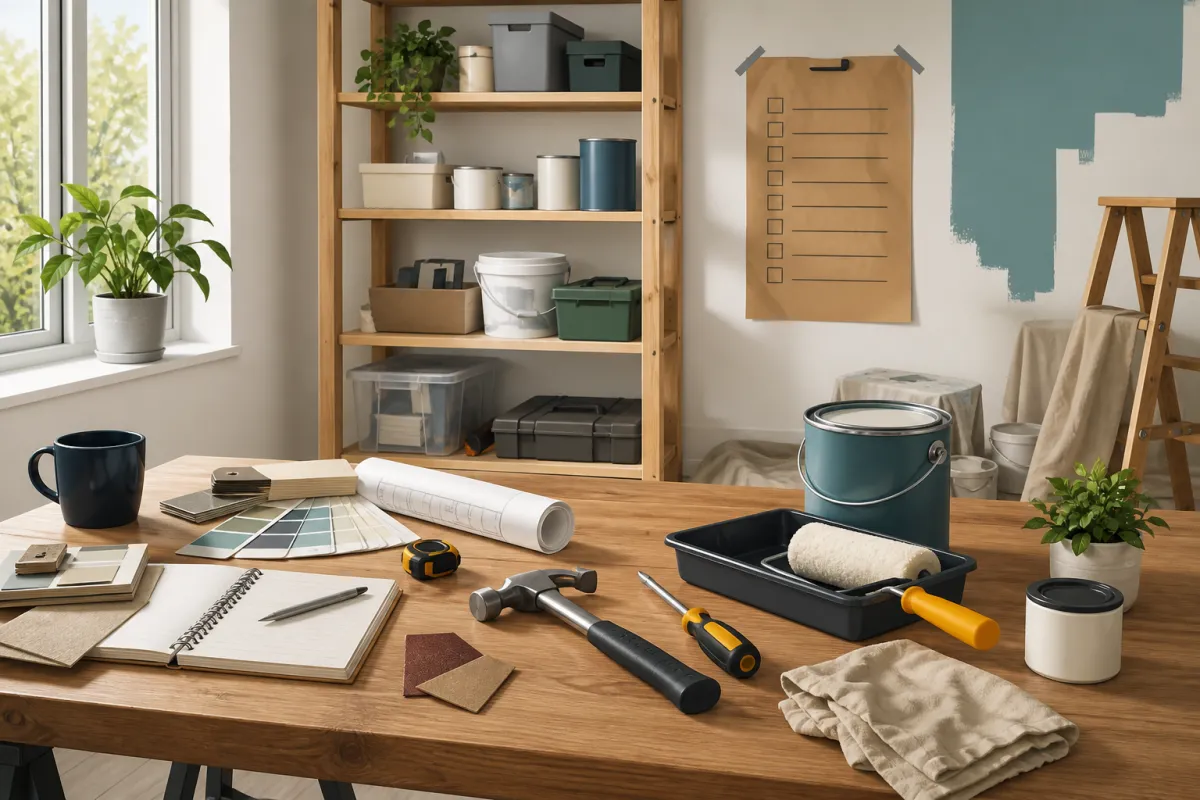
Setting a Realistic Budget for Your Renovation
Determining a realistic budget for your home renovation is crucial to avoid overspending and ensure project success. A good starting point is the 30% rule, which suggests homeowners should not allocate more than 30% of their home's value for renovations. For example, if your home is valued at $300,000, your renovation budget should ideally stay below $90,000[1].
To further refine your budget, consider these steps:
Calculate Your Total Renovation Budget
Assess Home Value: Begin by determining your home's current market value. This can be done through online listings or appraisals.
Identify Project Scope: List all desired projects, from essential repairs to aesthetic upgrades. For instance, the average cost for a full room renovation typically ranges from $500 to $3,000 for a 12x12 room[2].
Research Costs: Gather information on the costs of materials and labor. DIY projects can save money, as they accounted for over a third of all home renovations in 2022[3]. Use online calculators to estimate these costs accurately[4].
Include a Contingency Fund: Set aside 10-20% of your total budget for unexpected expenses. This fund can be critical, as renovation costs can fluctuate due to various factors, including supply chain issues[5][6].
Prioritize Projects
Once you have a budget, prioritize the projects based on their necessity and potential impact. In 2023, the top home improvement projects included regular maintenance (39%), interior painting (30%), and new appliance installation (27%)[7]. Focus on these areas first, as they often provide the best return on investment.
To summarize, establish a budget based on your home's value, account for potential fluctuations in costs, and prioritize projects that will enhance your living space. This structured approach will help you manage your finances effectively and achieve a successful renovation.
Essential Tools for DIY Home Renovation
Having the right tools can make a significant difference in the success of your home renovation projects. Below is a list of must-have tools categorized by project types, along with cost-effective alternatives and suggestions on where to buy or rent them.
Basic Tools for General Renovation
Hammer: A standard claw hammer is essential for driving nails into wood and removing them when necessary. Cost-effective alternatives include rubber mallets for delicate tasks.
Screwdrivers: A set of both flathead and Phillips screwdrivers is crucial. Consider investing in a multi-bit screwdriver for versatility and savings.
Measuring Tape: A 25-foot measuring tape is standard for most projects. For larger spaces, a laser measuring tool can provide greater accuracy.
Utility Knife: Ideal for cutting materials such as drywall and insulation. Look for retractable blades for safety and longevity.
Tools for Painting and Finishing
Paintbrushes and Rollers: Quality brushes and rollers can significantly affect the finish of your painting project. Choose synthetic brushes for water-based paints and natural ones for oil-based.
Paint Tray: A simple yet essential tool for holding paint. Disposable liners can make cleanup easier and are cost-effective.
Drop Cloths: Protect your floors and furniture with inexpensive drop cloths or old sheets.
Tools for Flooring and Carpentry
Circular Saw: Ideal for cutting lumber and flooring materials. If you're on a budget, consider renting one for larger projects.
Level: Ensures that surfaces are even. A small torpedo level is inexpensive and perfect for smaller projects.
Pry Bar: Useful for removing old flooring or trim without damaging surrounding areas.
Where to Buy or Rent Tools
Local hardware stores, home improvement centers, and online marketplaces often offer both new and used tools at competitive prices. Thrift stores can also be a treasure trove for finding affordable tools. For larger or more specialized tools, consider renting from local rental shops or home improvement centers. This approach allows you to access high-quality equipment without the upfront costs of purchasing.
In summary, investing in essential tools for your DIY home renovation can save time and money. By choosing cost-effective alternatives and utilizing local resources, you can effectively manage your renovation projects while staying within budget. For more detailed information on specific tools, refer to our guide on DIY Tools for Home Renovation: A Comprehensive Guide.
Cost-Saving Materials and Where to Find Them
When planning a home renovation on a budget, selecting cost-saving materials is essential. Here’s a list of budget-friendly options and tips on where to source them effectively.
Budget-Friendly Materials
Plywood: Ideal for cabinetry and shelving, plywood is often more affordable than solid wood. Prices can range from $15 to $50 per sheet, depending on thickness and finish.
Laminate Flooring: A cost-effective alternative to hardwood, laminate flooring can be found for as low as $0.70 per square foot, offering durability and easy maintenance.
Paint: Fresh paint can dramatically change a space. Budget paints can cost between $15 and $30 per gallon, making it one of the most affordable ways to refresh a room.
Reclaimed Wood: Sourcing reclaimed wood for accents or furniture can save money while adding character. Prices vary, but reclaimed wood can often be found for less than new lumber.
Vinyl Siding: For exterior renovations, vinyl siding is a budget-friendly option, typically costing between $2 and $7 per square foot, depending on style and quality.
Where to Find Cost-Saving Materials
Sourcing materials wisely can significantly reduce renovation costs. Here are several avenues to explore:
Local Suppliers: Building supply stores often run sales or have clearance sections. Establishing a relationship with local suppliers can lead to discounts or bulk purchase deals.
Thrift Stores: These stores can be goldmines for unique finds, including furniture, fixtures, and even building materials. Prices are typically much lower than retail, allowing for creative repurposing.
Online Marketplaces: Websites like Craigslist, Facebook Marketplace, or OfferUp frequently list surplus materials from renovations or homes being demolished. Prices are often negotiable, allowing for potential savings.
Habitat for Humanity ReStores: These non-profit stores sell new and gently used home improvement materials at discounted prices, with proceeds supporting community housing projects.
By focusing on budget-friendly materials and utilizing local resources, homeowners can significantly cut renovation costs. This approach not only saves money but also encourages creativity and sustainability in home improvement projects.
DIY vs. Hiring Professionals: When to Choose Each
Deciding between DIY or hiring professionals depends on the project's complexity, your skill level, and budget constraints. Here are scenarios for both approaches.
When DIY is Feasible
DIY projects are often suitable for tasks that require basic skills and tools. Common scenarios include:
Painting: Interior painting is one of the top home improvement projects, accounting for 30% of renovations in 2023[7]. Costs range from $100 to $750 for a single room, making it an affordable DIY option for those comfortable with brushes and rollers[2].
Minor Repairs: Fixing leaky faucets or replacing cabinet hardware are manageable tasks that can save significant costs. These repairs typically require minimal tools and can often be completed in a few hours.
Landscaping: Planting flowers or shrubs, mulching, and basic lawn care can enhance curb appeal without professional help. The costs for plants and materials are often low, and local suppliers can provide guidance.
Furniture Assembly: Many homeowners opt for DIY when it comes to assembling flat-pack furniture, which usually involves straightforward instructions and minimal tools.
When to Hire Professionals
Certain projects may necessitate the expertise of a professional contractor, especially when safety and compliance are concerns. Scenarios to consider hiring include:
Electrical Work: Projects involving wiring or installations should be handled by licensed electricians. Mistakes can lead to serious safety hazards, and the costs of hiring a professional can range from $50 to $100 per hour.
Plumbing: Similar to electrical work, plumbing issues often require specialized knowledge. Hiring a plumber typically costs between $45 and $200 per hour, depending on the complexity of the job.
Structural Changes: Any renovations that involve load-bearing walls or significant structural modifications should be completed by professionals. Costs for these projects can vary widely but often exceed $1,500.
Complex Renovations: Projects such as kitchen remodels or full bathroom renovations can greatly benefit from professional experience. The average costs for these can range from $10,000 to $30,000, depending on the scope and quality of materials used[8].
Cost Considerations
Homeowners spent a median of $6,500 on improvements from 2021 to 2023[9]. To ensure a successful renovation, it's wise to allocate a contingency fund of 10-20% of your total budget for unexpected expenses[5].
For example, if you plan to spend $10,000 on a kitchen renovation, setting aside $1,000 to $2,000 for unforeseen costs can prevent budget overruns.
In summary, evaluating your skills and the project's requirements can help you decide between DIY and hiring professionals. While DIY can save money, some tasks are best left to the experts to ensure safety and quality.
Creative Renovation Ideas That Won't Break the Bank
Homeowners can achieve stunning renovations without overspending by employing creative, low-cost ideas. Here are several innovative approaches and examples of successful budget renovations.
Repurposing Existing Materials
One effective strategy is to repurpose existing materials. For instance, old wooden pallets can be transformed into rustic furniture or decorative wall art. This not only saves money but also adds a unique touch to your home. Additionally, using reclaimed wood for shelving or accent walls can enhance aesthetics while being budget-friendly.
DIY Painting Projects
Interior painting is one of the most affordable renovation projects, accounting for 30% of all home improvements in 2023[7]. A fresh coat of paint can dramatically alter the look of a room. Homeowners can expect to spend between $100 and $750 for painting a single room[2]. By doing the work themselves, they can keep costs down and customize colors to their liking.
Upcycling Furniture
Instead of purchasing new furniture, consider upcycling. A worn-out dresser can be given new life with a coat of paint and new hardware. This approach not only saves money but also allows for personalization. Thrift stores and online marketplaces often have furniture pieces that can be refurbished at a fraction of the cost of new items.
Creative Storage Solutions
Maximizing space with creative storage solutions is another budget-friendly renovation idea. Floating shelves, for example, can be installed for minimal cost and provide both functionality and style. DIY storage bins made from inexpensive materials can also help organize clutter without breaking the bank.
Community Support and Resources
Engaging with local community support can provide valuable resources. Many communities have tool libraries where homeowners can borrow tools for DIY projects, eliminating the need for costly purchases. Additionally, workshops offered by local hardware stores can teach new skills, empowering homeowners to take on more complex projects.
Successful Budget Renovation Examples
Homeowners have successfully renovated their spaces with limited budgets by focusing on creativity and resourcefulness. For example, one couple transformed their outdated kitchen by painting cabinets, updating hardware, and installing budget-friendly laminate countertops. This project, completed for around $2,000, significantly enhanced the kitchen's appearance without the expense of a full remodel.
In summary, innovative and cost-effective renovation ideas can transform a home without exceeding the budget. By repurposing materials, engaging in DIY projects, and utilizing community resources, homeowners can achieve beautiful results while keeping costs in check. For more insight into cost-effective materials, refer to our guide on Best Budget-Friendly Materials for Home Renovation.
Planning Your Renovation Timeline
Creating a realistic timeline for home renovations is crucial for managing expectations and ensuring projects run smoothly. Here are steps to guide you in planning your renovation timeline effectively.
Establishing a Project Timeline
Define Your Scope: Start by identifying the specific renovations you want to undertake. Whether it’s painting, installing new appliances, or major structural changes, having a clear list helps in estimating timeframes. The average homeowner undertakes about 11 projects, spending approximately $13,667 on improvements[7].
Break Down Tasks: Divide each project into smaller tasks. For example, if you plan to renovate a kitchen, tasks might include demolition, plumbing, electrical work, and installation. This breakdown allows for better scheduling and tracking.
Estimate Time for Each Task: Assign realistic time estimates to each task. For instance, a full room renovation can take anywhere from a few days to several weeks, depending on the complexity. A simple paint job might take a weekend, while a kitchen remodel could extend over a month.
Allocate Buffer Time: Unexpected delays are common in renovations. It’s advisable to add a buffer of 10-20% of the total estimated time to your schedule to accommodate unforeseen issues, such as supply delays or additional repairs needed[5].
Managing Multiple Projects Simultaneously
If you're tackling multiple renovations, consider these tips:
Prioritize Projects: Determine which projects are essential and which can wait. For example, regular maintenance should take precedence over cosmetic changes. In 2023, regular maintenance accounted for 39% of home improvement projects[7].
Stagger Start Dates: Instead of starting all projects at once, stagger their start dates. This approach allows you to focus on one task at a time and reduces chaos. For instance, you might begin with painting before moving on to appliance installation.
Set Milestones: Establish milestones for each project to track progress. This can include completing demolition, finishing painting, or installing fixtures. Setting clear milestones helps maintain momentum and motivation.
Communicate with Contractors: If hiring professionals, ensure they are aware of your timeline and any overlapping projects. Clear communication can help avoid scheduling conflicts and ensure that contractors are available when needed.
Common Mistakes to Avoid
Underestimating Time: Many homeowners underestimate the time required for renovations. Always err on the side of caution and allow extra time in your schedule.
Ignoring Weather Conditions: For outdoor projects, consider seasonal weather patterns. Rain or extreme temperatures can delay work, so plan accordingly.
Not Having a Contingency Plan: Failing to prepare for unexpected issues can lead to stress and budget overruns. Set aside a contingency fund of 10-20% of your total budget to cover surprises[5].
By following these guidelines, homeowners can create a realistic timeline that accommodates their renovation goals while managing multiple projects efficiently. Effective planning not only streamlines the renovation process but also enhances the overall experience.
Mistakes to Avoid When Renovating on a Budget
Renovating on a budget can be a rewarding experience, but it also comes with its share of pitfalls. Understanding these common mistakes can help homeowners save money and avoid project delays.
Overlooking a Realistic Budget
One of the most frequent errors is not establishing a clear and realistic budget from the outset. Homeowners often underestimate costs, leading to overspending. The average spending on home improvement projects in 2023 was $13,667, with many homeowners taking on multiple projects simultaneously[7]. To avoid this, we recommend creating a detailed budget that includes all potential expenses, such as materials, labor, and a contingency fund of 10-20% for unforeseen costs[5]. For example, if you budget $10,000 for a kitchen renovation, setting aside an additional $1,000 to $2,000 can help cover unexpected issues.
Ignoring the 30% Rule
Another common mistake is neglecting the 30% rule, which suggests that homeowners should not spend more than 30% of their home’s value on renovations[1]. Exceeding this limit can lead to financial strain and impact the overall value of the home. Before starting any project, assess your home's value and plan your renovations accordingly.
Skipping Research on Materials and Labor Costs
Failing to research and compare prices for materials and labor can result in budget overruns. Homeowners often overlook the impact of fluctuating material costs, which can vary based on supply chain issues[6]. Using online calculators can help estimate renovation costs accurately, factoring in both materials and labor[4].
Underestimating Time and Project Scope
Many homeowners underestimate the time required to complete renovations, leading to frustration and delays. It’s essential to break down each project into smaller tasks and allocate realistic timeframes. For instance, a full room renovation may take from a few days to several weeks, depending on the scope of work. Adding buffer time of 10-20% to the estimated timeline can help accommodate unexpected delays[5].
Not Seeking Professional Help When Necessary
Some homeowners attempt DIY projects that are beyond their skill level, which can lead to costly mistakes. While DIY can save money, certain tasks—like electrical work or plumbing—are best left to professionals. Hiring a contractor may initially seem like an added expense, but it can prevent larger issues down the line.
By being aware of these common mistakes and taking proactive steps to avoid them, homeowners can manage their budget more effectively and ensure a smoother renovation process.
Using Online Resources and Communities for Support
Leveraging online resources and community support can significantly enhance your DIY home renovation experience. Numerous websites, forums, and social media groups provide a wealth of tips and advice that can help homeowners navigate their projects more effectively.
Useful Websites
- Reddit: Subreddits like r/HomeImprovement and r/DIY offer a platform for homeowners to share experiences, ask for advice, and showcase their projects. Engaging in these communities can provide real-time feedback and inspiration.
- Houzz: This site is a treasure trove of ideas, photos, and professional advice. Users can browse through countless renovation stories and connect with local contractors if they decide to hire help.
- YouTube: Many DIY channels focus on home renovation projects, offering step-by-step guides and tutorials. This visual format can be particularly helpful for complex tasks.
Forums and Social Media Groups
- Facebook Groups: There are many groups dedicated to DIY home improvement where members share tips, ask questions, and support each other. Look for groups specific to your area or project type to connect with local resources.
- HomeTalk: This forum is designed for DIY enthusiasts and provides a space to ask questions and share projects. It also features articles and tips from experienced renovators.
Community Engagement
Engaging with these online communities can enhance your renovation process. Here are some benefits:
- Knowledge Sharing: Members often share their successes and failures, providing valuable insights into what to do and what to avoid. For instance, learning about common mistakes can save you time and money.
- Motivation: Seeing others complete their projects can inspire you to stay committed to your renovation goals.
- Local Resources: Community members can suggest local suppliers for budget-friendly materials or tools, helping you save on costs.
Before diving into a project, check these resources to gather ideas, assess potential challenges, and connect with others who have similar goals. By utilizing online platforms and engaging with the community, homeowners can enhance their DIY skills and approach their renovations with greater confidence.
Creating a Renovation Checklist
A well-structured renovation checklist is essential for planning and executing home renovations effectively. It helps homeowners stay organized, manage their budget, and keep track of necessary tools and materials. We have created a downloadable checklist that covers key aspects of your renovation project, including budgeting, tools, and materials.
Budgeting Section
Define Your Budget: Determine the total amount you are willing to spend. According to recent data, homeowners spent a median of $6,500 on improvements from 2021 to 2023, while the average spending was around $13,667 for multiple projects in 2023[9][7].
Allocate a Contingency Fund: Set aside 10-20% of your total budget for unforeseen expenses. This fund can help cover unexpected costs that may arise during renovations[5].
List Estimated Costs: Break down your budget into specific categories such as labor, materials, and tools. For example, the average cost of a full room renovation typically ranges from $500 to $3,000[2].
Tools Section
Identify Necessary Tools: Make a list of DIY tools required for your projects. Common tools might include hammers, screwdrivers, drills, and saws. For a comprehensive guide on DIY tools, visit our section on DIY Tools for Home Renovation: A Comprehensive Guide.
Consider Renting: For tools that you may not use frequently, consider renting instead of purchasing. This can save money and reduce storage needs.
Source Local Suppliers: Research local suppliers and thrift stores for budget-friendly tools and materials. Online marketplaces can also provide cost-effective options.
Materials Section
Choose Cost-Effective Materials: Identify the materials you will need for each project. Consider budget-friendly options that do not compromise quality. For example, laminate flooring can be a cost-effective alternative to hardwood.
Research Prices: Compare prices from different suppliers to find the best deals. Be mindful of fluctuating material costs due to supply chain issues[6].
Create a Material List: Document the quantities and types of materials required for your projects, ensuring you account for any waste or extra needs.
Downloadable Checklist
To make the planning process easier, we have provided a downloadable renovation checklist that includes sections for budgeting, tools, and materials. This checklist will help you stay organized and focused throughout your renovation journey.
By following this checklist, you can efficiently plan and execute your home renovations while keeping costs manageable and avoiding common pitfalls. Remember to regularly update your checklist as you progress through your projects to ensure everything stays on track.
Home Renovation on a Budget: Key Insights
| Aspect | Details | Cost Range | Notes |
|---|---|---|---|
| Median Spend (2021-2023) | $6,500 | $6,500 | Reflects typical homeowner spending [9] |
| Average Spend (2023) | $13,667 | $13,667 | Homeowners undertook 11.1 projects on average [7] |
| Contingency Fund | 10-20% of budget | Depends on total budget | Recommended for unforeseen expenses [5] |
| Top Projects (2023) | Maintenance, Painting, Appliances | 39%, 30%, 27% | Most common renovation types [7] |
| Full Room Renovation Cost | $500 - $3,000 | Varies by room size | Typical cost for 12x12 room [2] |
| DIY Projects | Over 33% of renovations | Varies by skill level | Growing trend in home improvements [3] |
| 30% Rule | Max 30% of home value | Depends on home value | Avoids financial strain [1] |
| Material Cost Fluctuation | Varies based on supply chain | Depends on market conditions | Impact on overall costs [6] |
| Downloadable Checklist | Available for customization | N/A | Helps organize and budget effectively |
Common Mistakes and Misconceptions
Underestimating the Importance of Detailed Budgeting
Many homeowners fail to create a detailed budget tailored to their specific renovation projects. This often leads to unexpected costs that can derail the entire project. For example, while the average spending on home improvement projects in 2023 was $13,667, overlooking individual project costs can quickly escalate expenses beyond planned limits[7]. We advise breaking down your budget into categories, including materials, labor, and a contingency fund of 10-20% to cover unforeseen expenses[5].
Assuming All Tools Are Expensive
Homeowners frequently believe that high-quality tools come with a steep price tag, leading them to either overspend or settle for subpar equipment. However, there are cost-effective alternatives available that can perform just as well. For instance, renting tools can save money and reduce storage issues for equipment you may use infrequently. Researching local suppliers and online marketplaces can uncover budget-friendly options that meet your needs without sacrificing quality.
Neglecting to Account for Hidden Costs
A common oversight during renovations is failing to consider hidden costs such as permits, disposal fees, or unexpected repairs. These additional expenses can add up significantly and impact the overall budget. For example, while the average cost of a full room renovation ranges from $500 to $3,000, including these hidden costs could raise the total expenditure substantially[2]. We recommend compiling a comprehensive list of all potential costs before starting any project.
Misjudging the Scope of DIY Projects
Homeowners often underestimate the complexity of DIY projects, believing they can handle tasks that may require professional expertise. This can lead to costly mistakes and project delays. In 2022, DIY projects accounted for more than a third of all home renovations[3], but not all tasks are suitable for self-management. We suggest evaluating your skill level and the project requirements carefully; for complex tasks, consider hiring a professional to avoid larger issues down the line.
Overlooking the Impact of Material Choices
Another misconception is that all materials are created equal, leading to poor choices that can affect both budget and quality. Homeowners might not realize that the average cost of materials can fluctuate due to supply chain issues, impacting overall renovation costs[6]. It's crucial to research material options and their long-term value rather than focusing solely on upfront costs. For instance, while laminate flooring may seem cheaper initially, its durability compared to hardwood can influence future expenses.
Ignoring the Need for a Time Buffer
Many homeowners neglect to factor in adequate time for project completion, leading to frustration and rushed work. Underestimating the timeline can result in incomplete projects or compromised quality. Adding a buffer of 10-20% to your estimated timeline can help accommodate unexpected delays and ensure a smoother renovation process[5]. We recommend breaking down your project into smaller tasks with realistic deadlines to maintain progress without added stress.
Conclusions
- Define a clear budget and allocate a contingency fund of 10-20% for unexpected expenses.
- Create a detailed list of necessary tools and consider renting to save costs.
- Research and compare material prices to find budget-friendly options without sacrificing quality.
- Account for hidden costs such as permits and disposal fees during your planning phase.
- Evaluate your skill level honestly to determine which tasks are suitable for DIY and which may require professional help.
Taking the first step towards your renovation journey can begin with our guide on DIY Tools for Home Renovation: A Comprehensive Guide.
Before you go
- What is the cheapest way to renovate a home?
The cheapest way to renovate a home typically involves focusing on DIY projects and prioritizing essential updates. For instance, homeowners can save significantly by performing tasks like interior painting, which accounted for 30% of renovations in 2023, or regular maintenance, which made up 39% of projects[7]. Utilizing budget-friendly materials and sourcing tools from local suppliers can further reduce costs.
- What is the 30% rule of home renovation?
The 30% rule of home renovation suggests that homeowners should not spend more than 30% of their home's total value on renovations. This guideline helps prevent financial strain and ensures that the investment in improvements remains sustainable over time[1]. For example, if your home is valued at $300,000, you should ideally limit renovation spending to $90,000.
- Is $50,000 enough to renovate a house?
Whether $50,000 is enough to renovate a house depends on the scope of the project and the home's current condition. The median spend for home renovations in 2023 was reported at $24,000, indicating that $50,000 could cover significant renovations, including multiple projects, if planned carefully[8]. However, costs can vary widely based on the specific improvements needed.
- What is a realistic budget for home renovation?
A realistic budget for home renovation can vary, but recent data shows that homeowners spent a median of $6,500 on improvements from 2021 to 2023, with the average spending reaching $13,667 in 2023[9][7]. It's advisable to break down the budget into categories such as materials, labor, and a contingency fund of 10-20% to cover unexpected expenses[5].
- How can I renovate my home with no money?
Renovating a home with no money is challenging but possible through strategic planning and resourcefulness. Consider focusing on DIY projects, utilizing free online resources for guidance, and seeking out community support for tools and materials. Additionally, prioritizing maintenance tasks that require minimal investment, such as cleaning or organizing, can enhance your home's appearance without significant costs.
- What are some budget-friendly home renovation ideas?
Budget-friendly home renovation ideas include interior painting, which can refresh a space at a low cost, and updating fixtures such as lighting or cabinet hardware. According to 2023 data, new appliance installation also ranked high among renovations, making it a worthwhile investment if appliances are outdated[7]. Other ideas include landscaping improvements or simple decor updates that can enhance curb appeal.
- How to create a budget for home renovation?
To create a budget for home renovation, start by defining your total spending limit based on your financial situation. Break down the budget into specific categories, including materials, labor, and a contingency fund of 10-20% for unforeseen costs[5]. Utilize online calculators to estimate renovation costs accurately and ensure that all potential expenses are accounted for before beginning your project[4].
Explore More Budget Renovation Tips
Discover additional resources to enhance your DIY journey.
Visit Our ResourcesReferences
- 1. Home Renovations Costs in 2023
- 2. RenoCost - Free Home Renovation Cost Calculators
- 3. How to Create A Home Renovation Budget
- 4. RenoCalc — Free Material Calculator for Home Renovation & DIY
- 5. Create a Realistic Home Renovation Budget: A Complete Breakdown
- 6. Home Renovation Costs: What Experts Expect in 2023
- 7. U.S. Homeowners Double Down on Home Improvement Spending in 2023
- 8. 2024 U.S. Houzz & Home Study: Renovation Trends
- 9. 2023 Home Improvements Infographic